
Can an ACL Tear Heal Without Surgery?
Learn whether ACL tears can heal on their own, when surgery is needed, and what conservative treatment options exist.
Key Takeaways
- Grade 1 and some Grade 2 ACL tears have healing potential with structured rehabilitation
- Complete ACL tears rarely heal naturally due to poor blood supply and synovial fluid environment
- Conservative management can be successful for low-demand patients who achieve functional stability
- MRI is essential for determining tear grade and guiding treatment decisions
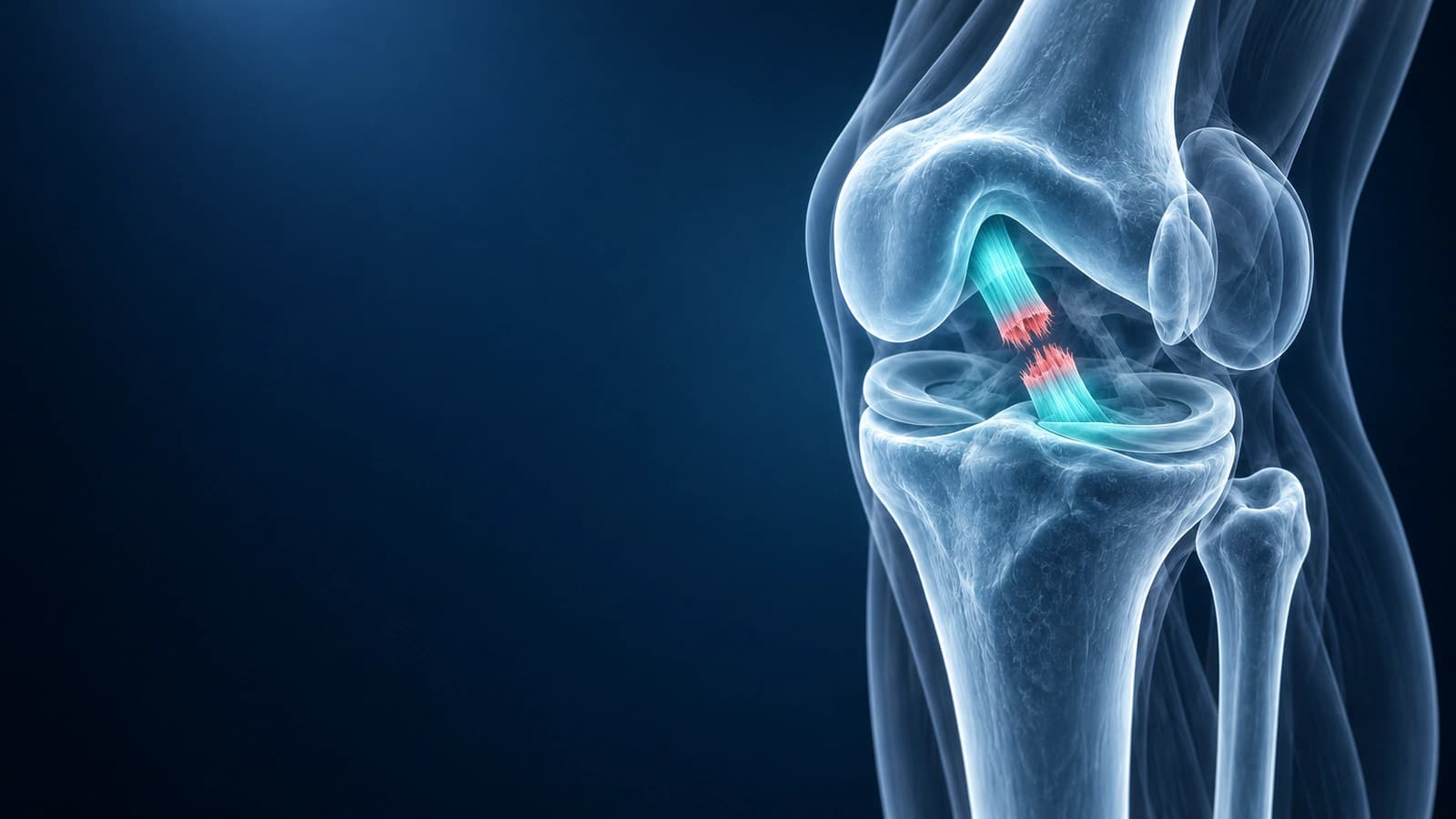
The anterior cruciate ligament (ACL) is one of four major stabilizing ligaments in the knee. When it tears, patients and their families face a critical question: can it heal without surgery? The answer depends on several factors including the grade of tear, the patient's activity level, age, and associated injuries. Understanding the biology of ACL healing and the latest research can help you make an informed decision alongside your orthopedic surgeon.
Historically, the medical consensus held that a completely torn ACL cannot heal on its own. The ACL sits within the synovial fluid of the knee joint, and this environment washes away the blood clot that would normally form the scaffold for healing. Without this scaffold, the torn ends cannot bridge back together. However, recent research has challenged this absolute view, showing that some ACL tears — particularly partial tears — may have healing potential under the right conditions.
Understanding ACL Tear Grades
ACL injuries are classified into three grades, and the grade significantly influences healing potential. Grade 1 sprains involve microscopic fiber damage with the ligament still intact. Grade 2 tears represent partial disruption where some fibers remain connected. Grade 3 tears are complete ruptures with full discontinuity of the ligament. The higher the grade, the less likely natural healing becomes.
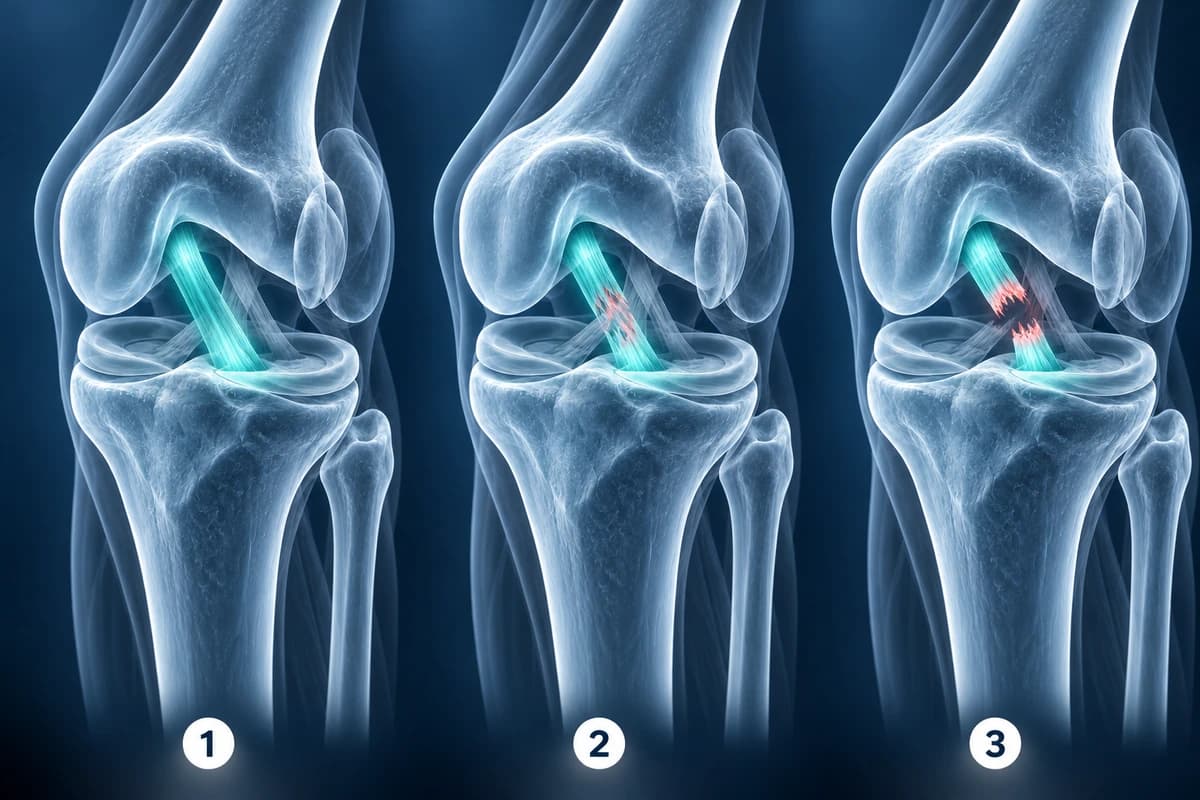
- Grade 1 (mild sprain): ligament stretched but intact, excellent healing potential with rest and rehabilitation
- Grade 2 (partial tear): some fibers disrupted, moderate healing potential depending on tear extent and location
- Grade 3 (complete tear): full rupture, very limited natural healing capacity in most patients
For a detailed breakdown of each grade with MRI findings, see our guide on ACL tear grades explained.
Why the ACL Struggles to Heal
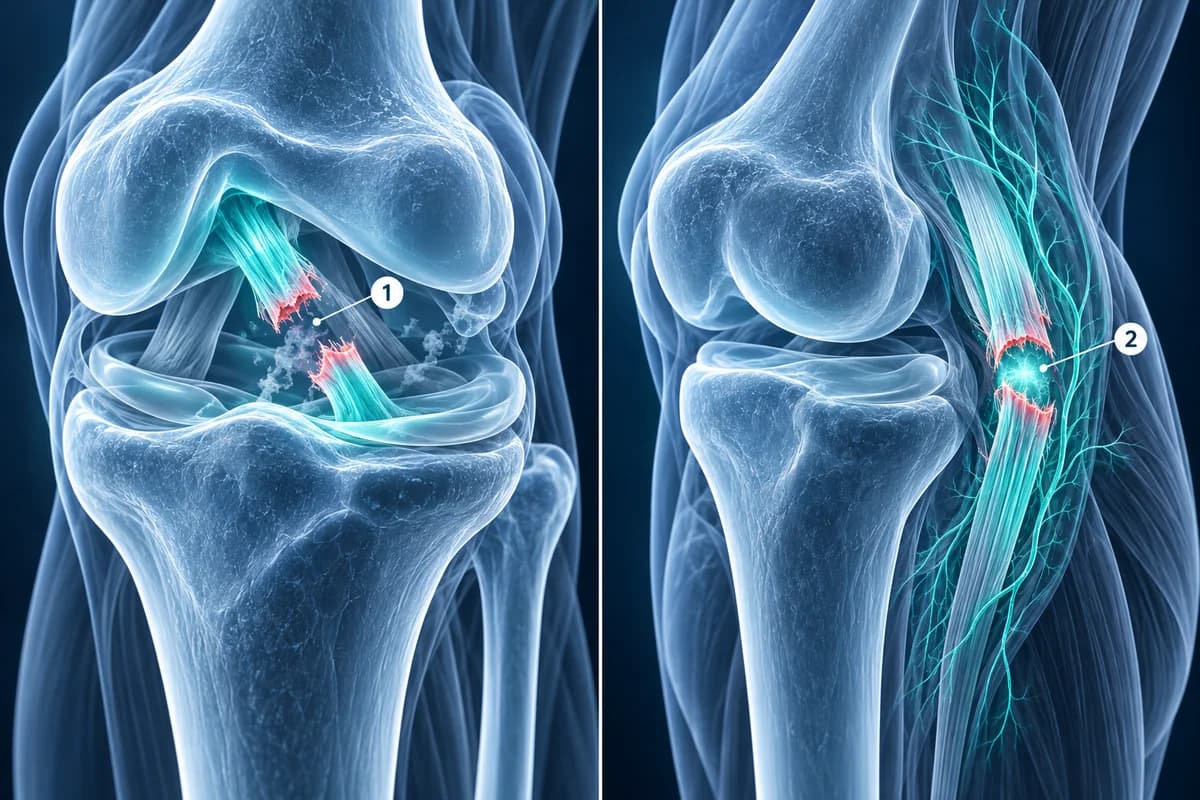
Several biological factors work against natural ACL healing. The ligament has poor blood supply, and the synovial fluid environment dissolves fibrin clots before they can serve as a healing scaffold. Mechanical forces constantly pull the torn ends apart. In contrast, the MCL heals reliably because it sits outside the joint capsule with robust blood supply. Learn more in our ACL vs MCL tear comparison.
When Conservative Treatment May Work
- Low-demand lifestyle with walking, swimming, or cycling as primary activities
- Partial tears with less than 50% fiber disruption on MRI
- No associated meniscus tears requiring surgical repair
- Strong quadriceps and hamstring muscles to compensate for ligament laxity
- Willingness to commit to 6-9 months of structured rehabilitation
The Role of Rehabilitation
Whether or not surgery is performed, rehabilitation is the cornerstone of ACL recovery. A structured physiotherapy program focusing on range of motion restoration, quadriceps and hamstring strengthening, proprioception training, and neuromuscular control is essential. The rehabilitation timeline typically spans 3 to 9 months. For a comprehensive guide, see our article on knee physiotherapy after ACL surgery.
When Surgery Is Recommended
ACL reconstruction is generally recommended for young, active patients who want to return to pivoting sports, patients with combined injuries (ACL tear plus meniscus tear), individuals with recurrent instability episodes despite rehabilitation, and those whose livelihood depends on high-level physical performance. The decision between conservative and surgical management should be individualized. MRI imaging plays a crucial role by showing the exact nature and extent of the tear, associated injuries, and the condition of the remaining knee structures.
Frequently Asked Questions
How long does it take for a partial ACL tear to heal?
Partial ACL tears typically require 3 to 6 months of structured rehabilitation for functional recovery. The ligament may not fully restore its original architecture, but patients can achieve sufficient stability for most activities. Serial MRI can track healing progress and guide return-to-activity decisions.
Can you walk normally with a torn ACL?
Many people can walk normally after the initial swelling resolves, even with a complete ACL tear. Walking in a straight line does not heavily load the ACL. However, activities involving pivoting, cutting, or sudden direction changes may cause the knee to give way. This is why some patients function well without surgery for daily activities but cannot return to certain sports.
What happens if you leave a torn ACL untreated?
An untreated ACL tear does not directly worsen, but the resulting instability can lead to secondary damage over time. Repeated episodes of the knee giving way can damage the menisci and articular cartilage, increasing the risk of early-onset osteoarthritis. This is why even patients choosing conservative care need structured rehabilitation to develop compensatory stability.
How can MRI help decide between surgery and conservative treatment?
MRI reveals the exact grade and location of the ACL tear, the condition of the menisci and cartilage, bone bruising patterns, and other ligament injuries. A partial tear with intact menisci may favor conservative care, while a complete tear with a meniscus tear often favors surgery.
Sources
- Frobell RB, Roos EM, Roos HP, et al. A randomized trial of treatment for acute anterior cruciate ligament tears. N Engl J Med. 2010;363(4):331-342.
- Filbay SR, Roemer FW, Lohmander LS, et al. Evidence of ACL healing on MRI following ACL rupture treated with rehabilitation alone may be associated with better patient-reported outcomes: a secondary analysis from the KANON trial. Br J Sports Med. 2023;57(2):91-98.
- Costa-Paz M, Ayerza MA, Tanoira I, et al. Spontaneous healing in complete ACL ruptures: a clinical and MRI study. Clin Orthop Relat Res. 2012;470(4):979-985.
- Noyes FR, Mooar LA, Moorman CT 3rd, McGinniss GH. Partial tears of the anterior cruciate ligament. Progression to complete ligament deficiency. J Bone Joint Surg Br. 1989;71(5):825-833.
Related Articles
Understand ACL tear grading from mild sprains to complete ruptures, MRI findings for each grade, and treatment implications.
What ACL reconstruction rehab looks like phase by phase: early goals, key exercises, typical timelines and the tests used before a return to sport.
What to expect month by month after ACL reconstruction: rehab milestones, how the graft looks on MRI, return to sport and warning signs to watch for.
Related Conditions
Understand your imaging before your next appointment
MRI, X-ray or CT from a CD, folder or ZIP. A PDF report or photos of the films work too.
Free to open and preview, no account needed. An optional AI report from $10 explains your images in plain language, with questions for your doctor.
Your raw files stay on this device. Only rendered images and minimal context are sent when you request an AI report.
Medical Disclaimer: This page is for informational and educational purposes only. It does not constitute medical advice, diagnosis, or treatment. AI-generated analysis may contain errors. Always consult a qualified healthcare professional for medical decisions. Full Disclaimer