Physiotherapy After ACL Surgery: Rehab Phases and Exercises
What ACL reconstruction rehab looks like phase by phase: early goals, key exercises, typical timelines and the tests used before a return to sport.
Key Takeaways
- Full knee extension is the most critical early goal — prioritize it from day one
- ACL rehabilitation takes 9-12 months with five distinct phases
- The graft is weakest at 3-6 months during ligamentization — do not rush
- Progression is criteria-based, not time-based — meet milestones before advancing
- Return-to-sport requires passing objective testing including strength symmetry and hop tests
- Each month of delay before return to sport (up to 9 months) reduces re-injury risk
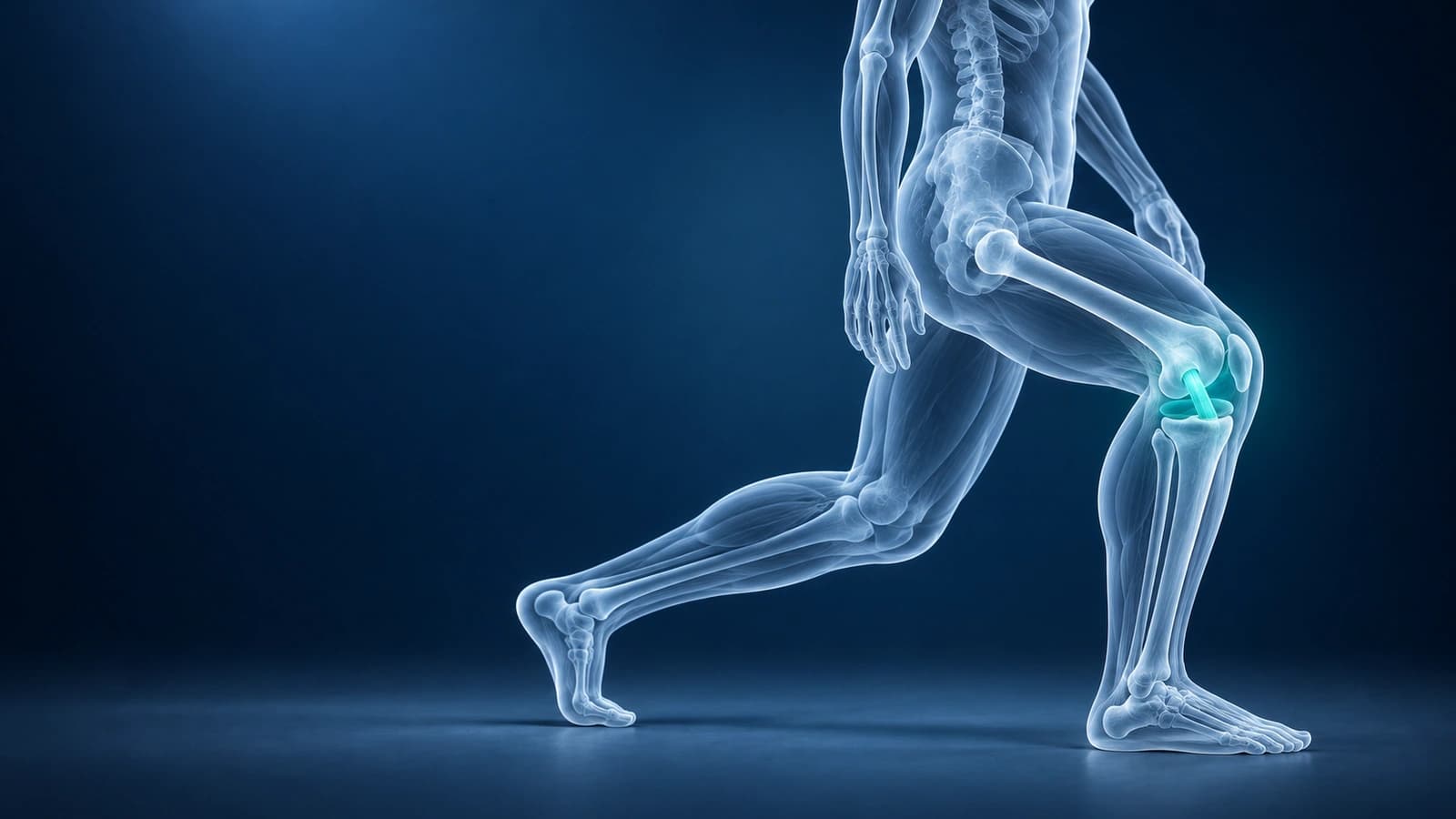
ACL reconstruction is one of the most common orthopedic procedures, but the surgery itself is only the beginning of recovery. The rehabilitation process takes 9-12 months and follows a carefully structured, phase-based protocol. Each phase has specific goals, exercises, and milestones that must be achieved before progressing.
This guide provides a comprehensive overview of what to expect at each stage of ACL rehabilitation. For information on ACL injury severity, see our guide on ACL tear grades.
Phase 1: Protection and Early Motion (Weeks 0-2)
The first two weeks focus on protecting the graft, managing swelling, and restoring basic knee motion. Goals include achieving full extension equal to the other knee, reaching at least 90 degrees of flexion, and regaining quadriceps activation. You will use crutches and likely a hinged knee brace locked in extension for walking.
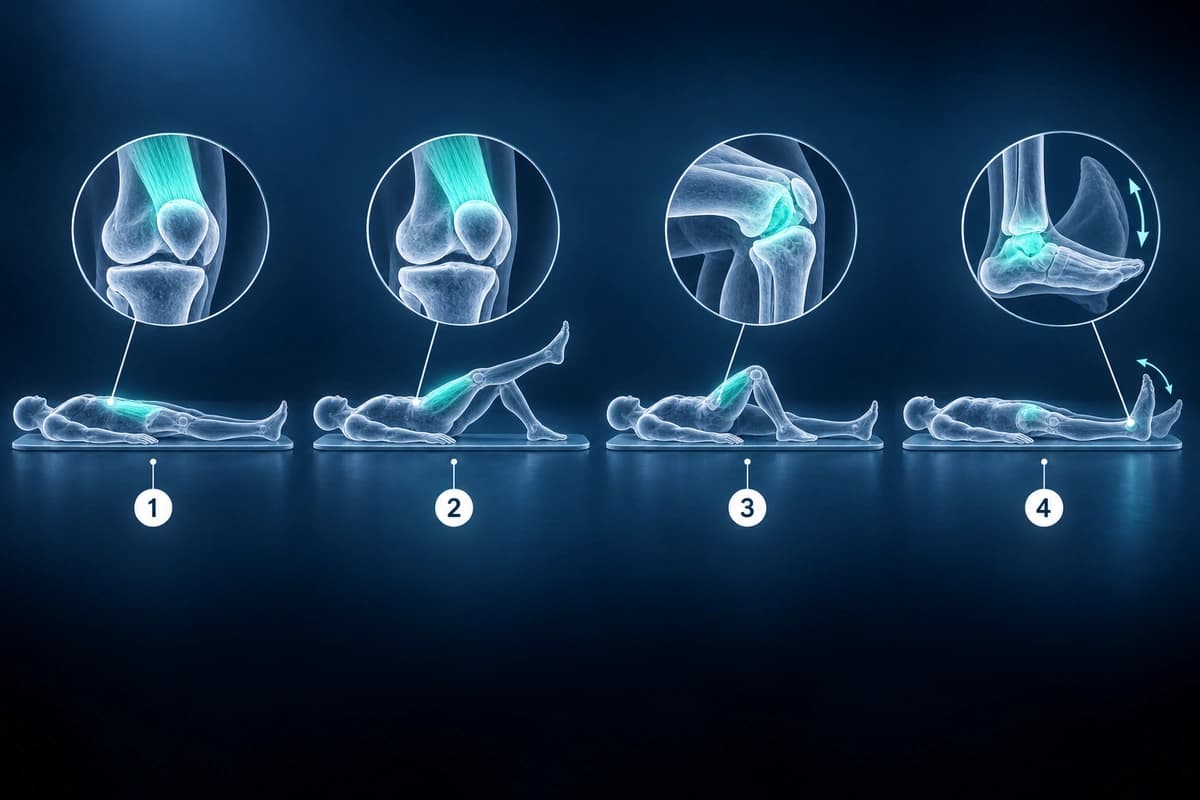
- Quad sets: pressing the knee flat against the bed
- Straight leg raises in all four directions
- Heel slides for flexion range of motion
- Ankle pumps for circulation
- Gentle patella mobilization
Full knee extension is the single most important goal in this phase — failure to achieve it early often leads to a permanent extension deficit that significantly impacts function.
Phase 2: Early Strengthening (Weeks 2-6)
The focus shifts to restoring range of motion beyond 90 degrees, improving quadriceps strength, and normalizing gait. Crutches are weaned off as tolerated. Goals include at least 120 degrees of flexion by week 6, walking without a limp, and performing a straight leg raise without extension lag. Exercises include stationary cycling, leg press (limited range), step-ups, and balance board exercises. Avoid open-chain knee extensions during this phase.
Phase 3: Progressive Strengthening (Weeks 6-12)
This phase emphasizes building strength and endurance while the graft matures. Goals include full range of motion, significantly improved quadriceps and hamstring strength, and normal walking on all surfaces. Exercises advance to squats, lunges, hamstring curls, calf raises, and full-range leg press. Proprioception and balance training become increasingly important — single-leg stance, wobble board exercises, and eyes-closed challenges retrain neuromuscular control.
Phase 4: Advanced Strengthening (Months 3-6)
At 3-6 months, the graft undergoes ligamentization — transforming from tendon into functional ligament tissue. The graft is actually at its weakest during this period. Goals include quadriceps strength at least 70% of the uninvolved leg and initiation of straight-line running (typically around 4-5 months if criteria are met). Running criteria require at least 70% quadriceps strength symmetry, no swelling, full range of motion, and satisfactory single-leg hop performance.
- Progressive plyometrics (double-leg before single-leg)
- Agility ladder drills at low intensity
- Sport-specific movement patterns
- Heavy strength training with squats, deadlifts, and leg press
Phase 5: Return to Sport (Months 6-12)
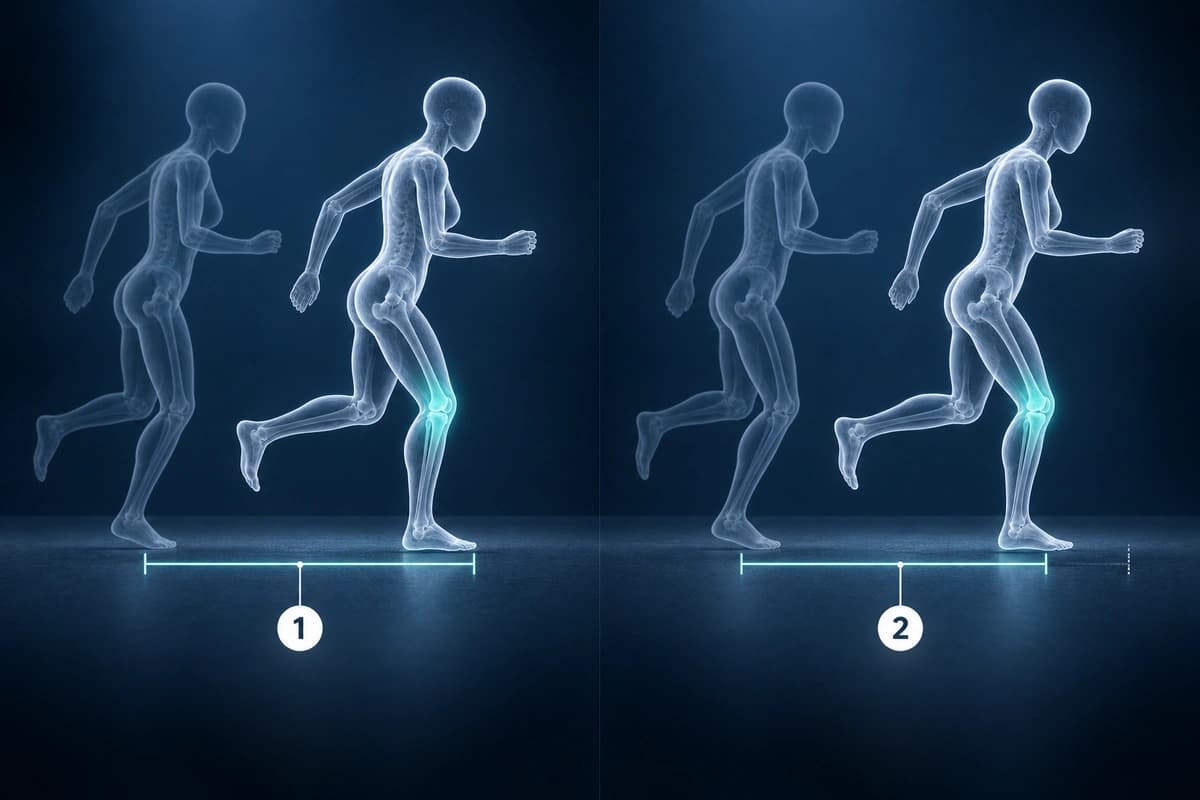
The final phase focuses on sport-specific fitness and passing return-to-sport criteria: quadriceps strength at least 90% of the uninvolved side, successful hop test battery (all within 90% of the other leg), functional movement screening, and psychological readiness. In one observational study, each month that return to pivoting sports was delayed before 9 months after surgery was associated with a 51% lower knee re-injury rate. This is a group-level association, not a guarantee for an individual; your clinician must also assess readiness.
Frequently Asked Questions
When can I drive after ACL surgery?
If your right knee was operated on, most surgeons recommend waiting 4-6 weeks. Left knee patients with automatic transmission may drive sooner, often within 2-3 weeks. Always confirm with your surgeon.
When can I run after ACL reconstruction?
Straight-line running is typically permitted at 4-5 months post-surgery if specific criteria are met: quadriceps strength at least 70% of the other leg, full range of motion, no swelling, and satisfactory single-leg hop performance.
What is the re-tear rate after ACL reconstruction?
Overall graft re-tear rates are approximately 5-8%. Athletes under 25 returning to pivoting sports have rates as high as 15-25%. There is also a similar risk of tearing the opposite ACL. Completing full rehabilitation and passing return-to-sport criteria significantly reduces risk.
How do I know if my ACL graft has failed?
Signs include a giving-way episode, significant swelling after a specific incident, instability during pivoting, and positive clinical tests (Lachman, pivot shift). MRI can confirm graft integrity. Upload your post-operative knee MRI for AI-powered graft assessment.
Should I use a knee brace during rehabilitation?
Most surgeons prescribe a hinged brace for the first 4-6 weeks. Evidence on functional bracing during sport is mixed. Discuss with your surgeon, as protocols vary based on graft type and concomitant procedures.
Sources
- van Melick N, van Cingel RE, Brooijmans F, et al. Evidence-based clinical practice update: practice guidelines for anterior cruciate ligament rehabilitation based on a systematic review and multidisciplinary consensus. Br J Sports Med. 2016;50(24):1506-1515.
- Adams D, Logerstedt DS, Hunter-Giordano A, et al. Current concepts for anterior cruciate ligament reconstruction: a criterion-based rehabilitation progression. J Orthop Sports Phys Ther. 2012;42(7):601-614.
- Grindem H, Snyder-Mackler L, Moksnes H, et al. Simple decision rules can reduce reinjury risk by 84% after ACL reconstruction: the Delaware-Oslo ACL cohort study. Br J Sports Med. 2016;50(13):804-808.
- Kyritsis P, Bahr R, Landreau P, et al. Likelihood of ACL graft rupture: not meeting six clinical discharge criteria before return to sport is associated with a four times greater risk of rupture. Br J Sports Med. 2016;50(15):946-951.
Related Articles
Learn whether ACL tears can heal on their own, when surgery is needed, and what conservative treatment options exist.
Understand ACL tear grading from mild sprains to complete ruptures, MRI findings for each grade, and treatment implications.
What to expect month by month after ACL reconstruction: rehab milestones, how the graft looks on MRI, return to sport and warning signs to watch for.
Related Conditions
Understand your imaging before your next appointment
MRI, X-ray or CT from a CD, folder or ZIP. A PDF report or photos of the films work too.
Free to open and preview, no account needed. An optional AI report from $10 explains your images in plain language, with questions for your doctor.
Your raw files stay on this device. Only rendered images and minimal context are sent when you request an AI report.
Medical Disclaimer: This page is for informational and educational purposes only. It does not constitute medical advice, diagnosis, or treatment. AI-generated analysis may contain errors. Always consult a qualified healthcare professional for medical decisions. Full Disclaimer